

Why You Are Not Losing Weight with Intermittent Fasting Common Reasons You fast for or even hours You push your...
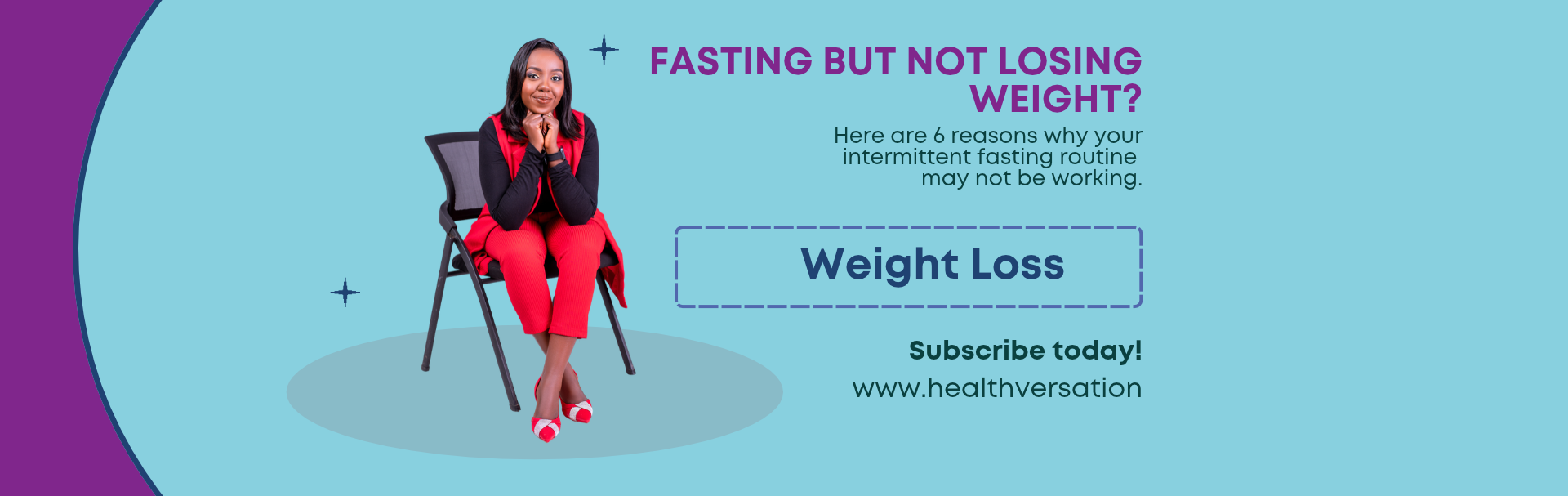
Why You Are Not Losing Weight with Intermittent Fasting? 6 Common Reasons You fast for 14, 16 or even 18 hours. You push your first meal forward, resist the temptation to eat in the morning, and proudly make it to your eating window. But weeks go by, and the scale barely moves. You're wondering: Does intermittent fasting actually work? Am I doing something wrong? Or is fasting simply not for me? Before you give up on intermittent fasting, I want you to look at something important. Fasting for several hours does not automatically mean you're creating the conditions your body needs for weight loss. Intermittent fasting is a tool that can help you manage your food intake. But it isn't a magic solution, and the hours you spend fasting are only one part of the bigger picture. Let's look at some of the common reasons you might not be seeing the results you expected. 1. You're not eating enough protein This is one of the biggest mistakes I see. You break your fast with one boiled egg, three or four slices of bread, perhaps a cup of tea. Later, you have chapati, some vegetables and a little stew. You might feel like you've eaten enough because your stomach is full, but have you given your body enough protein? Protein is the most satiating macronutrient. It helps you feel fuller for longer, supports muscle maintenance and can make it easier to manage hunger throughout the day. When your meals are consistently low in protein, you may find yourself getting hungry sooner, thinking about food more often and struggling to manage portions. What should you do instead? Build your meals around a good protein source. Some options include: Eggs. Beef, chicken and fish. Lamb. Natural yoghurt, where tolerated. Other protein-rich foods that fit your dietary needs. Instead of having one egg with several slices of bread, consider having two or three eggs alongside avocado and vegetables, adjusting portions to your individual needs. If you're eating chicken, beef or fish, make sure the portion is substantial enough to contribute meaningfully to your protein needs. Don't let carbohydrates take up most of your plate while protein is treated like a small side dish. 2. You're constantly snacking during your eating window You successfully fast for 16 hours, but what happens when you start eating? A cup of tea here, a biscuit there, a handful of nuts, a few bites of something while preparing dinner, then another snack before bed. Before you know it, you've eaten several times without necessarily noticing how much food you've consumed. One of the benefits of intermittent fasting is that it can help create structure around eating. Constant grazing can make it harder to manage your overall food intake. What should you do instead? Start by creating proper meals rather than relying on snacks to get you through the day. Aim for nutrient, satisfying meals containing: A good protein source. Fibre-rich vegetables. A suitable portion of carbohydrates, depending on your needs and activity levels. Healthy fats in appropriate portions. If you're genuinely hungry between meals, don't automatically dismiss that hunger. Look at whether your previous meal contained enough protein and fibre, whether you ate enough overall, and whether your eating window is appropriate for you. The goal isn't to starve yourself between meals. It's to stop eating out of habit when you aren't hungry. 3. You're eating too much during your eating window This is another common misunderstanding. Some people approach intermittent fasting as though the fasting hours give them unlimited permission to eat during the remaining hours. You fast for 16 hours, then spend the next eight hours eating large portions, grazing and going back for seconds. Remember, intermittent fasting doesn't cancel out your overall food intake. You can fast for 16 hours and still consume more energy than your body uses throughout the day. What should you do instead? Pay attention to your portions and how your meals are structured. Eat slowly, give yourself time to recognise fullness, and avoid treating your eating window like a race against the clock. You don't need to compensate for the hours you spent fasting by eating everything you missed. Prioritise satisfying meals and give your body enough nourishment without constantly eating beyond your needs. 4. You're neglecting movement and resistance training Fasting alone won't build muscle, improve your strength or give you all the benefits of an active lifestyle. If your only strategy for weight loss is reducing your eating window while spending most of your day sitting, you're missing an important part of the equation. Movement helps increase your daily energy expenditure, while resistance training helps preserve and build muscle. And no, you don't need to spend two hours at the gym every day. What should you do instead? Start with manageable changes: Aim for 7,000–10,000 steps daily, building up gradually if you're currently inactive. Include resistance training two to three times a week, according to your ability and recovery. Take short walking breaks throughout your working day. Choose activities you can sustain consistently. You don't need an extreme exercise routine. You need regular movement that becomes part of your lifestyle. 5. You're not getting enough sleep and recovery You can have a structured fasting routine, eat balanced meals and exercise regularly, but consistently sleeping for four or five hours can make weight management much harder. Poor sleep can affect appetite-regulating hormones, increase hunger, influence food cravings and leave you with less energy to move and exercise. When you're exhausted, preparing a balanced meal may feel like too much work. Reaching for convenient, highly processed foods can become more tempting. What should you do instead? Start treating sleep as part of your weight management routine. Aim for 7–9 hours of sleep where possible. Maintain a reasonably consistent bedtime. Reduce screen time before bed. Avoid late caffeine if it affects your sleep. Give yourself adequate recovery between demanding workouts. You cannot keep pushing your body without giving it enough time to recover. 6. You're treating intermittent fasting as the ultimate weight-loss scorecard This is perhaps the most important point. Intermittent fasting is a tool, not the ultimate measure of your health or your weight-loss progress. A longer fasting window does not automatically mean better results. You don't have to move from 14 hours to 16, then 18, then 20 hours to prove that you're committed. In fact, longer fasting windows may not be appropriate for everyone. If you're constantly hungry, struggling with energy levels, overeating when you break your fast or finding it difficult to meet your nutritional needs, it's worth reassessing your approach. What should you do instead? Start with a fasting window you can comfortably sustain. For many people, beginning with 12–14 hours overnight is a reasonable starting point. You can assess how you feel before considering any changes. Focus on the quality of your meals, adequate protein, fibre, movement, sleep and consistency. And remember that intermittent fasting isn't suitable for everyone. Pregnant or breastfeeding women, people with a history of eating disorders and people taking medications that require food or affect blood sugar should seek appropriate professional guidance before fasting. So, does intermittent fasting actually work for weight loss? Yes, it can help with weight loss, particularly when it makes it easier to manage your overall food intake and establish a consistent eating routine. But it isn't superior to every other approach, and it doesn't work independently of your food choices and lifestyle. If you're fasting for 16 hours but eating meals that leave you hungry, snacking constantly, overlooking protein, barely moving and sleeping poorly, it's time to look beyond the fasting hours. Stop focusing only on how long you go without eating. Start paying attention to what you're doing with the hours when you are eating. Your goal should not be to see how long you can stay hungry. It should be to build a way of eating and living that supports your health, helps you manage your weight and is sustainable in the long run. At Healthversation, I help individuals understand their eating patterns, improve their nutrition and build realistic habits that support lasting weight management. If you've been struggling with weight loss despite trying intermittent fasting, perhaps it's time to look at the bigger picture. Ready to take a more personalised approach to your weight-loss journey? Book a nutrition consultation with me through our website. BOOK A CONSULTATION REQUEST A CUSTOM PACKAGE